Highlights
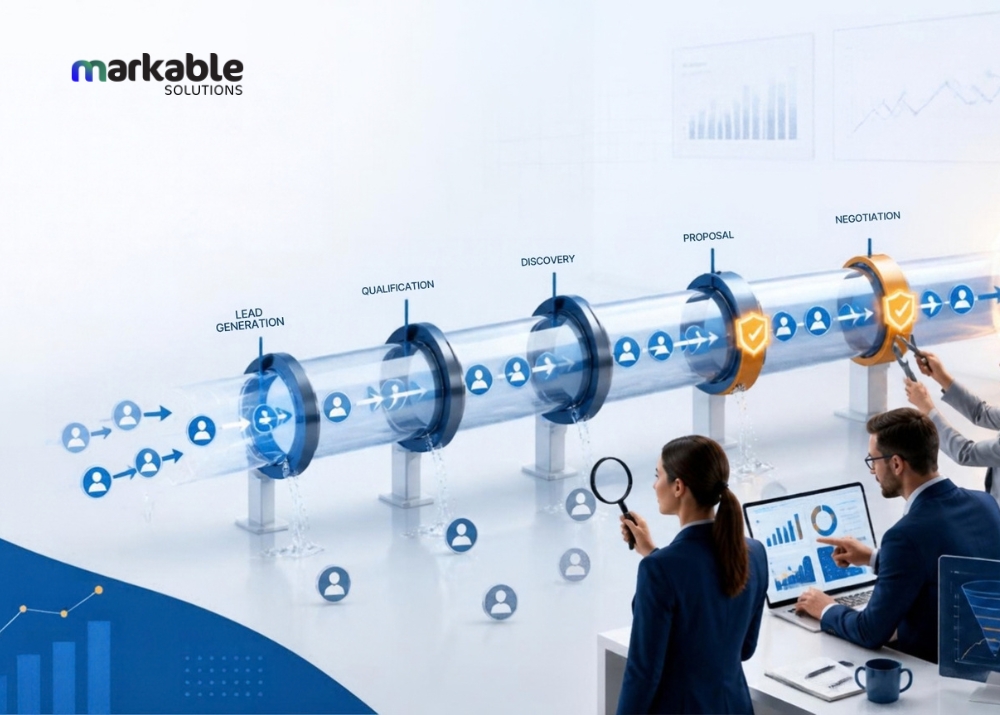
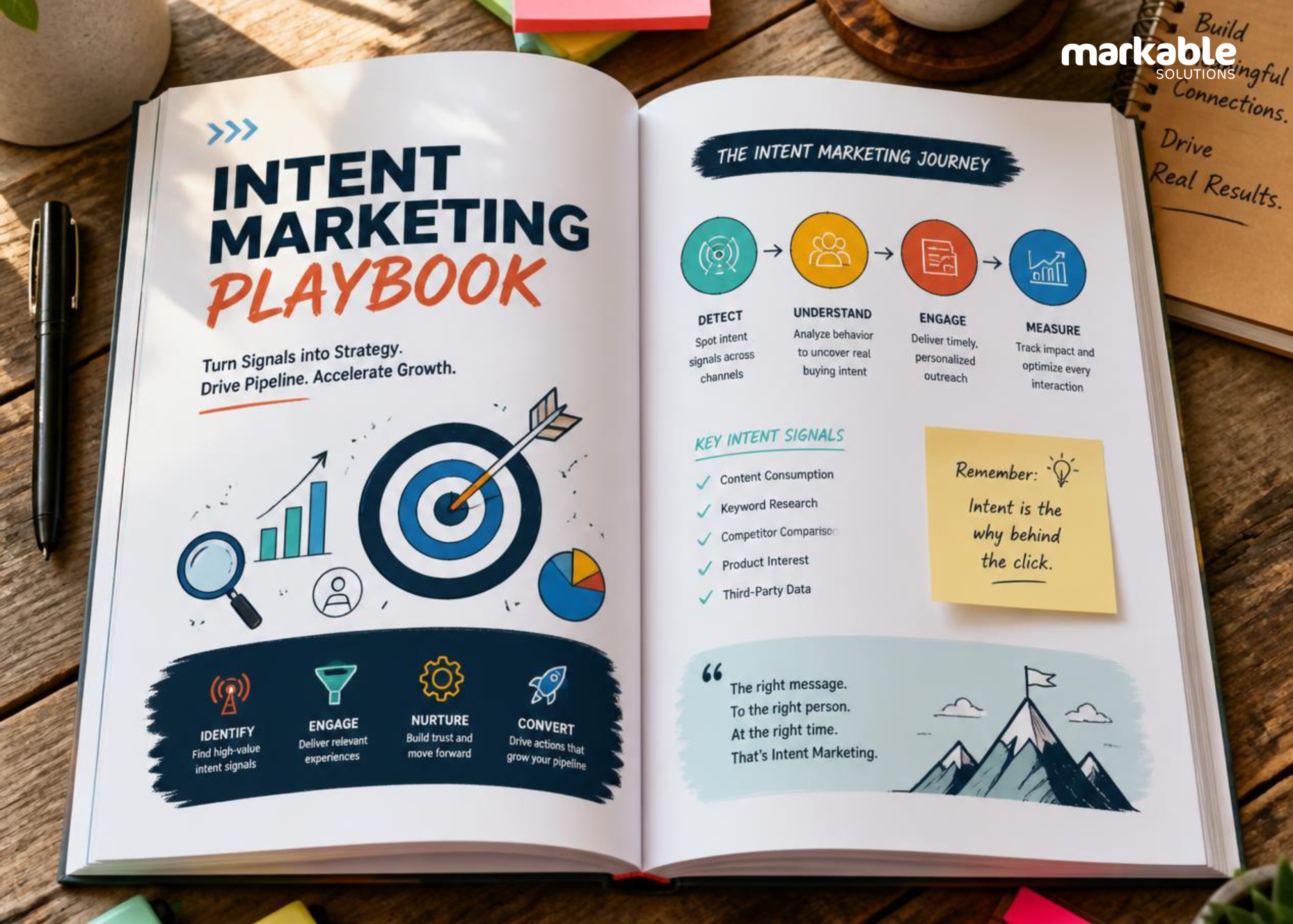
- Intent data marketing identifies which buyers are active in the market and offers insights into their purchase readiness. Companies leverage intent data to identify and engage them with tailored communication to increase conversion rates.
- AI-powered intent data signals enhance intent data efficiency by analyzing behavior in real time and identifying key decision-makers within targeted accounts.
- Intent data with Account-Based Marketing (ABM) services improves pipeline quality and increases conversion rates.
- First-party, second-party, and third-party intent data offer a comprehensive insight into buyer behavior.
- A B2B demand generation company leverages intent data across multi-channel marketing, such as email marketing, telemarketing, and content syndication. It helps to achieve higher engagement and build a sustainable sales pipeline.
- Intent data drives qualified lead generation, improves lead scoring, account prioritization, personalization, and revenue attribution.
- Businesses that leverage intent data are successful in identifying high-intent buyers in the “” and engage buyers earlier than competitors.
Introduction
Intent data marketing has become non-negotiable in the B2B landscape. Today’s marketing approach is laser-focused and not based on assumptions; it’s attuned to prospective buyers’ buying intent and requirements. A B2B demand generation agency captures first-party, second-party, and third-party signals to identify intent and active prospective buyers. Do you remember the 95:5 marketing rule, which we discussed earlier? It says that only 5% of buyers are actively looking to buy, while the remaining 95% are not interested in buying at the moment. Intent-driven marketing helps you identify and connect with the active prospects and capitalize on their interest before your competitors.
What is Intent Data Marketing?
Intent-based marketing is an approach that uses behavioral and contextual data to identify prospective buyers interested in your products and services. These buyers are actively searching for solutions to overcome their challenges, and intent data offers a window of opportunity to tap their interest before your competitors can reach out to them. Artificial Intelligence (AI)-led data allows companies to capture prospects’ interest in real time, enabling them to accelerate sales velocity and maximize revenue.
Different types of Intent Data
Intent data is broadly categorized into three sources: first-party, second-party, and third-party intent data. When combined, they offer a better understanding of buyer behavior and their intent to make a buying decision in the near future. First-party intent data refers to behavioral signals from the business’s digital properties and direct interactions. It can include website visits, demo requests, webinar registrations, downloading gated content, engagement via email marketing, etc. Second-party intent data is basically a company’s first-party data that companies can access via a trusted partnership. Some examples of such data include shared marketing engagement, publisher and media insights, offering increased visibility into prospective buyers beyond the business’s own digital properties. The third-party intent data is aggregated across various platforms such as discussion forums and search engines and offers a broader understanding of your prospective buyers.
What is the role of intent data in B2B marketing?
Intent data helps companies identify prospects who are actively searching for solutions to their problems and are ready to make a buying decision. It enables marketing and sales teams to prioritize high-intent prospective buyers, tailor their outreach to their requirements, and reach them proactively to capture their interest.
- Dark funnel marketing
Gartner estimates that 57%-70% of the B2B buyer journey is completed before buyers ever speak to sales reps. Yes, this is true, as B2B buyers form their “day-one list.” The marketing landscape is already reeling from the effects of Generative Engine Optimization (GEO) and Answer Engine Optimization (AEO), and businesses need to go the extra mile to ensure they can identify in-market prospective buyers. Intent data integration in marketing operations ensures your business does not lose these revenue opportunities simply because they did not directly engage with your business. A B2B sales lead generation agency will tap these sales opportunities using intent data that analyzes behavioral signals to identify accounts in the dark funnel that are actively preparing to make a buying decision soon.
- Email Marketing
Email marketing services can be made more personalized with intent data, helping deliver messages that perfectly align with prospects’ requirements. The messaging resonates with them, encouraging them to respond and opening doors for engagement with the business. According to Salesforce, 78% of marketers say they need more personalized content- more than they can produce and 75% of them are leveraging AI to close this gap. AI-enabled intent data can integrate personalization and win more B2B deals.
- Telemarketing
One-to-one conversations are a highly effective way to achieve outbound reach and establish rapport with prospective buyers. Intent signals help human sales development representatives (SDRs) tailor the conversation to address prospects’ challenges. SDRs can arm themselves with the right information and engage prospective buyers more effectively. Beyond generic communication, sales reps can make conversations more meaningful and increase appointment bookings across a large number of accounts.
- Waterfall Content Syndication services
Intent signals enable companies to understand prospective buyers’ needs and the solutions they are looking for to overcome their problems with predictive content delivery. AI-powered content delivers relevant content to target accounts based on predicted intent signals. Waterfall content syndication, combined with intent data, makes outreach more laser-targeted, personalized, and aligned with the prospect’s needs. It leads to higher engagement and helps generate qualified leads.
- Account-based marketing:
Intent data makes ABM services a highly efficient and laser-targeted exercise, targeting the right accounts at the right time; there’s no looking back when intent signals identify which selected accounts are ready to make a buying decision. A B2B sales lead generation agency starts engaging the right stakeholders at the right time. The engagement is perfectly aligned when the ideal customer profiles (ICPs) are ready to make a buying decision. Intent data, when combined with account-based marketing, enables predictive lead scoring that includes contact-level intent.
Intent data indicates which accounts are actively researching a product or service. AI-enabled contact-level intent offers insights into who in the account is researching a solution. It lets companies hyper-personalize communications to prospects’ requirements. Sales development representatives can improve the opportunity-to-win rate by engaging at the right time. Dynamic lead scoring drastically improves targeting and account prioritization. With meaningful communication, SDRs can convert high-quality leads into customers.
- Customer Expansion: Intent data not only identifies new customers but also helps in customer expansion. Businesses can rely on AI-driven intent signals that show existing customers’ interest in buying additional, upgraded versions of the services they are currently using, or, for that matter, altogether new products. Customer success managers can immediately identify customer accounts ready for account growth. Tapping into purchase readiness before competitors is one of the key advantages of integrating intent data in a customer expansion strategy. The entire exercise is data-driven, so no revenue opportunity slips by.
AI-enabled intent data: What changed for B2B Lead Generation?
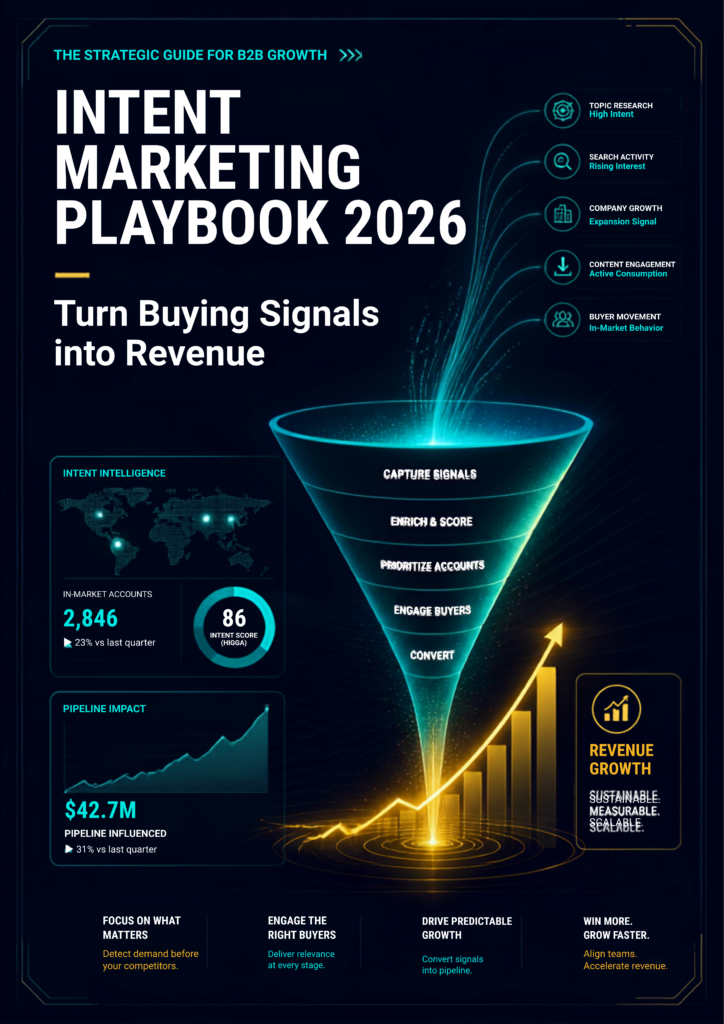
Artificial Intelligence has transformed how businesses identify their prospective buyers and their intent. Advanced machine learning (ML) models identify buying signals across various platforms. This offers a competitive edge, as companies can identify signals early and engage prospects, bringing them into the sales funnel. AI-enabled intent data captures interest and aggregates fragmented data to offer real-time, actionable insights into prospective buyers’ activities and intent. AI enhances intent with predictive analytics that forecast intent even before direct engagement.
AI models can identify continuous changes in buyer behavior, keeping the business informed of the buyer journey in the sales funnel. A business can miss these subtle yet critical insights, but AI technology offers actionable insights, enabling businesses to target the right prospects at the right time. AI technology aggregates data from different data sources, including your digital properties, and leverages firmographic, demographic, and technographic data. Lead scoring becomes more accurate and dynamic, giving the marketing and sales team the go-ahead to target and engage these “ready-to-buy ” leads and win more B2B deals.
What KPIs should businesses track for intent-based marketing programs?
Intent-based programs are highly beneficial for targeting in-market accounts. There are various parameters you can evaluate, such as intent-to-opportunity velocity, pipeline influenced, opportunity-to-win rate, and customer expansion opportunities.
- Intent-to-Opportunity Velocity: Measure the average time from when intent signals surfaced to when they were acted on and created a qualified sales opportunity; the faster the sales velocity, the higher the efficiency of intent data marketing.
- Lead-to-Opportunity Conversion Rate: What is the percentage of intent-qualified leads that turn into sales opportunities? It reflects the quality of intent data and its effectiveness in a qualified lead generation pipeline, creating revenue opportunities for your sales team and ultimately for the business.
- Pipeline influenced: The quality of intent data is important for B2B lead generation, and the total value of the sales pipeline generated determines its effectiveness.
- Opportunity-to-win rate: The ultimate test of the quality of the intent data would be how many intent data-led opportunities converted into customers. The more closed deals won, the higher the success rate of intent-enabled marketing campaigns.
- Customer expansion opportunities: How many upsell and cross-sell opportunities your business was able to generate with intent-data-led marketing? This metric measures the efficiency of the intent data in retaining existing customers.
Intent data has become an integral part of the B2B lead generation strategy. A B2B demand generation company believes intent-based marketing is what makes them stand out in competition. It can offer its clients a high ROI with intent data-driven campaigns that capture buyers’ interest early and help them engage with interested buyers at the right time. The result is a strong sales pipeline fueled by leads that not only have genuine intent but are also actively searching for products and services in the market. Markable Solutions is a leading B2B demand generation company in the U.S., combining AI and intent data into a multi-channel marketing model to generate high-quality B2B leads for your business. Book a free discovery call to explore how we can help you turn buying signals into revenue opportunities.
FAQs
- What is intent data marketing?
Intent data marketing refers to leveraging behavioral signals of in-market prospective buyers to improve engagement and conversion rates. Marketing and sales activities are built on the requirements of prospective buyers, helping increase conversion rates.
- Is intent data compliant?
Intent data is highly effective when implemented responsibly. A reliable B2B demand generation company follows compliance regulations and strict data governance practices. It will adhere to global privacy regulations such as GDPR, CCPA, and CASL and use opt-in data from trusted sources to deliver compliant, intent-data-based marketing campaigns.
- What is first-party data?
First-party data refers to data collected from your business’s digital properties, such as its website, pricing page views, product comparison page visits, demo requests, etc. First-party data is collected via many internal resources, such as analytics platforms, CRM systems, surveys, newsletters, etc. This data is highly reliable as prospects directly connect with the business.
- What is second-party data?
Second-party data refers to another company’s first-party data shared via a strategic, trusted partnership.
- What is third-party data?
Third-party data is collected from external publisher providers, such as review sites, industry publications, and other online sources.
- Which is the best intent data for marketing?
The best approach is to combine first-party, second-party, and third-party data that offers a complete picture of buyer behavior. The data quality should be reliable and compliant with the privacy laws and regulations. Leveraging AI-enabled technology helps capture real-time interest and revenue opportunities.
- How does ABM benefit from Intent-data marketing?
Intent data combined with ABM services helps companies engage ICPs at the most opportune time, when they are displaying interest by actively researching the products and services they need. Intent signals identify in-market accounts, and ABM defines which accounts to prioritize. It helps prioritize target accounts for quicker deal progression and conversion into customers. Intent data combined with ABM services helps companies achieve a higher conversion rate.
- How do customer expansion services thrive with intent data?
Intent data enables a customer success manager (CSM) to identify upsell and cross-sell opportunities by learning which customers are ready to extend their relationship with the business. This can include upgrading to premium versions of their subscription, buying additional products and services, or simply buying new products and services. The CSM can tap these revenue opportunities uncovered by intent signals.