Winning buyers today and tomorrow with demand capture Vs demand generation strategies in 2026
The new year is just around the corner, and conversations around demand generation vs demand capture are still gaining momentum. They touch upon balancing the marketing approach to generating future demand and tapping into the existing buyer intent. The 95-5 marketing rule also says that at any given point in time, only 5% of buyers are active in the market, and the remaining 95% are not yet ready to buy. Demand capture and B2B demand generation are both essential for the success of a business. The former captures current demand and nurtures it for conversion, while the latter works towards building a strong B2B pipeline in the future. Let’s explore the ongoing conversation on both the elements of B2B marketing and how B2B demand generation companies use a multi-channel, strategic approach to create future demand while simultaneously engaging buyers who are ready to act today.
What is demand generation?
Demand generation involves strategic marketing initiatives to create awareness for a brand and build gradual interest in its products and services. It makes the target audience aware of the existence of your business and value proposition. When buyers are ready to buy, demand generation efforts will bear fruit as your brand will have a high recall value.
Demand generation offers educational content, comprising blogs, articles, and whitepapers, and utilizes digital events such as webinars. The strategy creates huge awareness of your brand and generates demand for your offerings. The goal is to build thought leadership and present your brand as an ideal choice of goods and services that the target audience can consider when the need arises.
Demand Generation Strategy
- Content Marketing: Educational content marketing is a highly effective method of generating demand. It bridges the gap between your business and prospects with relevant content that piques their interest and encourages them to explore your business. Content should educate the target audience and not be sales-driven. It works gradually, as when the leads are ready to buy, the content will keep your brand at the top of their minds. It creates a recall value that brings leads into the B2B marketing funnel, getting them ready for demand capture.
- Email Nurturing Campaigns: Email marketing offers guidance to buyers to make informed buying decisions and offers relevant content that will address their queries. The email campaigns address their pain points and encourage them to connect with the business. Such a direct engagement approach, when enhanced by using dynamic emails, helps in demand generation.
- Waterfall content syndication: Reach out to prospects via tailored content and distribute it strategically on different channels. Prospects can be anywhere and visit different websites, so by strategically distributing relevant content that builds thought leadership, you put your brand on a pedestal. Your brand becomes visible to the audience, attracts it, and enables you to create demand.
- Event Marketing: Hosting virtual events, such as webinars, helps in generating demand. Educating your audience without being sales-oriented is an ideal way to plant your brand in your audience’s mind. You can attract your target with industry insights that act as an eye-opener and bring forward a fresh perspective on industry trends. Events help attract an early-stage audience that will eventually enter the B2B marketing funnel.
- Retargeting: Businesses can easily generate demand by using retargeting ads and engaging the prospects as they move across different channels. Paid ads reinforce the value proposition of the brand. They help move the prospects forward in the sales funnel and contribute to their purchase readiness.
What is demand capture?
The process of capturing demand refers to capitalizing on the interest of buyers who are already in the market to buy. They have implied their interest in the products and services you sell via online searches, engagement with website visits on the pricing page, gathering specific product information, and downloading gated content. They are willing to make a buying decision, and B2B demand generation companies reach out to prospects via content that helps them achieve this goal. They are on the brink of making a purchase, and they just need the final nudge with relevant content such as price comparison, case studies, testimonials, demo booking, and nurturing leads with value-driven conversations.
Demand Capture Strategy
- Website Optimization: Capturing demand requires you to customize the website to align with your prospects’ requirements. What solutions are they looking for, and what attributes in a vendor do they look for? Your business needs to recognize the prospects’ requirements and highlight your USP with valuable content and embed it with keywords that make your brand visible. Once they interact with your brand through website visits, landing page visits, connecting via chat option, or filling out the contact form, your business gets a wonderful opportunity to capture demand and nurture the leads. Search Engine Optimization (SEO) casts a wide net on the target audience and captures demand effectively. SEO focused on relevant and high-intent keywords makes the content discoverable. When buyers are researching for products and services, SEO ensures they find your brand, and you capture their interest. Optimizing the website for conversions with high speed, clear CTAs, and easy access to information, businesses can create a positive experience for prospects. They leave a trail of digital footprints that B2B demand generation companies analyze to identify and capitalize on the existing demand.
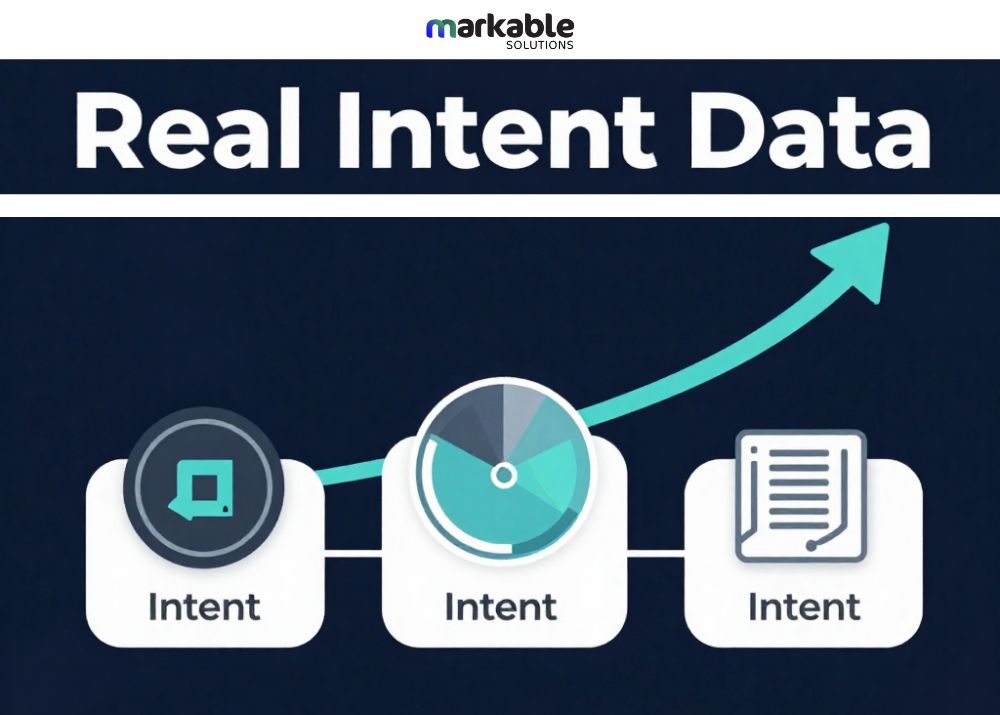
- Intent Data: Businesses capture demand for buyers who are in the market to buy a product or service. Anticipate prospects’ needs by relying on intent data that sheds light on what the target audience is actively researching. The content they search and their engagement indicate the level of intent they have. Timely and personalized messaging works wonders in the demand capture campaign and improves the conversion rates.
- Paid search campaigns: Companies can invest in paid campaigns to target customers with ads that are relevant to them. This relevance can be the keywords they are searching for, demography, their firmographic data, etc. Targeting and re-targeting prospects with paid ads is an effective method of harnessing the existing demand.
- Social media engagement: Engagement via social media is a powerful avenue to capture demand. Social listening is a great way to get familiar with the mindset of the prospects. People express their interests via social media posts, comments, and likes of posts that they find relevant. Be all ears to what prospects have to say with their online social behavior. Share insights and solutions that will matter to them, and engage them with the right message. Tailored responses to their online behavior will spark conversations that will help seize the existing demand. It’s important to engage at the right moment with the right message and tap into their interest.
- Account-based marketing: Let intent data help you tap into the buyer intent successfully. Integrate intent data in account-based marketing and identify high-intent leads. Use AI technology to identify ICPs and successfully capture demand for your offerings and turn leads into customers.
What is the difference between demand generation and demand capture?
Though both demand capture and demand generation are intrinsic parts of the B2B lead generation process, they have core differences in their approach.
Demand Generation vs Demand Capture
| Demand Generation | Demand Generation | Demand Capture |
| Target Audience | Brand awareness and generating B2B leads | The process targets the typical 5% of buyers who are in-market to buy. |
| Goal | Early-stage prospects are at the awareness stage in the B2B marketing funnel. | Capitalize on interest and convert it into sales |
| Stage of the buyer | Early-stage prospects at the awareness stage in the B2B marketing funnel. | Targets buyers at or near the decision-making stage in the B2B marketing funnel. |
| Engagement Content | Educational Content, Blogs, Articles, Guides | Thought leadership content: Vendor comparison guides, testimonials, research papers, etc. |
Conclusion
Seizing the existing demand and generating demand both require a strategic approach to drive high-quality leads into the B2B marketing funnel. Aligning with the 95-5 marketing rule, it’s important to focus on both demand capture and B2B demand generation services. They simultaneously enable businesses to increase immediate revenue and generate demand in the long run.
Markable Solutions is one of the leading B2B demand generation companies in the U.S. that assists businesses with capturing active and future demand with proven strategies, via a multi-channel approach. If the demand generation vs demand capture conversation resonates with you, let’s meet with a discovery call. Book a free session with us and let our experts help you tap into the market demand and build a sustainable pipeline.